
Blepharoplasty Los Angeles, CA: Eyelid Surgery for a Refreshed, Natural Look
Heavy lids, puffy under-eye bags, or a perpetually tired expression can make you look older, and feel more tired, than you are. If you’re searching for a plastic surgeon in Los Angeles, CA to restore a rested, open look without changing who you are, eyelid surgery may be the answer.
At Ran Plastic Surgery, Dr. Cong Ivy Ran, a fellowship-trained facial plastic surgeon specializing in eye and nose surgery, performs blepharoplasty in Los Angeles, CA with a focus on subtle, balanced results tailored to your unique eye anatomy. Whether you want a more youthful appearance, relief from lids that obstruct your vision, or both, your plan is built around your face and goals.

What Is Blepharoplasty?
Blepharoplasty, commonly called eyelid surgery or eyelid enhancement surgery, removes or repositions excess skin, fat, and sometimes muscle around the eyes. Because the eyes are the first thing people notice, even small changes can have a big effect on how rested, alert, and approachable you look.
Blepharoplasty comes in two main forms, and many patients have both:
- Upper blepharoplasty (upper lid blepharoplasty): addresses drooping or hooded skin on the upper eyelid
- Lower blepharoplasty (lower lid blepharoplasty): targets under-eye bags, puffiness, and loose skin on the lower lid
Both are popular parts of facial aesthetics in Los Angeles, CA, and are sometimes combined with other facial procedures for a more comprehensive refresh.
Signs You May Benefit From Eyelid Surgery
Consider a consultation if you notice:
- Upper lids that look heavy, hooded, or “sleepy”
- A fold of skin resting on or overlapping your lashes
- Makeup that smudges or creases because the lid has no room
- Puffy bags or a hollow, shadowed look under the eyes
- Loose or crepey skin on the lower lids
- A tired or sad expression, even when you’re well rested
- The need to lift your eyebrows to see clearly, or eye strain and headaches by the end of the day
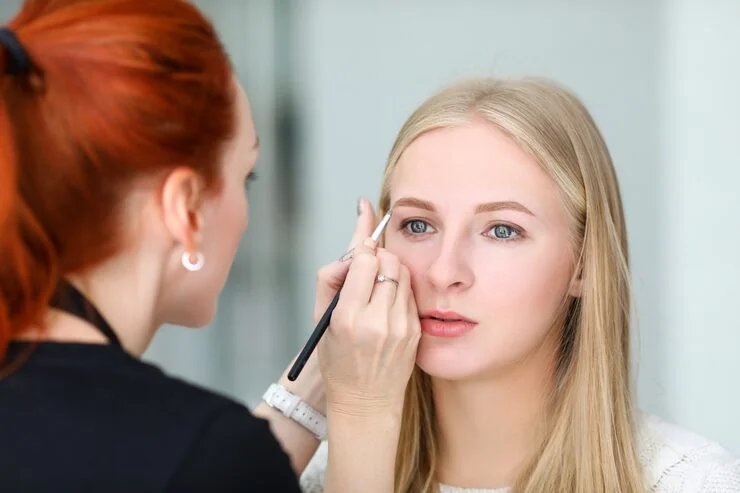
Upper Blepharoplasty Los Angeles, CA
Upper blepharoplasty (also called upper lid blepharoplasty) removes carefully measured excess skin, and sometimes a small amount of fat, from the upper eyelid. It can:
- Lighten a heavy, hooded appearance
- Create a smoother, more defined eyelid contour
- Give makeup room to sit comfortably
- Open the eyes and improve the upper field of vision when drooping skin has been blocking it
Upper blepharoplasty is often both cosmetic and functional. When excess skin hangs low enough to obstruct your sight, removing it can noticeably improve peripheral and upward vision, and may reduce brow strain and headaches. Learn more in our guide: can eyelid surgery change your vision?
Lower Blepharoplasty Los Angeles, CA
Lower blepharoplasty (lower lid blepharoplasty) addresses the area beneath the eyes. Depending on your anatomy, it can:
- Reduce puffiness and under-eye bags
- Smooth loose or crepey lower lid skin
- Soften the hollow, shadowed look that can make you appear tired
- Create a smoother transition between the lower lid and cheek
Lower blepharoplasty is primarily cosmetic, since the lower lid doesn’t obstruct the visual field the way drooping upper lid skin can.
Upper vs. Lower Blepharoplasty at a Glance
Upper Blepharoplasty | Lower Blepharoplasty | |
Treats | Hooded, heavy, or drooping upper lids | Under-eye bags, puffiness, loose skin |
Can improve vision | Yes, when skin obstructs sight | Rarely relevant to vision |
Primary goal | Functional and cosmetic | Mostly cosmetic |
Insurance potential | Sometimes, with documentation | Typically not covered |
Who Is a Good Candidate for Blepharoplasty?
If you’re asking, “Who is a good candidate for blepharoplasty?”, the answer depends on your anatomy, goals, and overall health. You may be a good candidate if you:
- Are bothered by droopy upper lids, under-eye bags, or loose eyelid skin
- Are in good general health and don’t have conditions that would make surgery unsafe
- Have realistic expectations about what surgery can and cannot do
- Don’t smoke, or are willing to stop before and after surgery
- Want a natural, refreshed look rather than a dramatic change
Your surgeon will also consider your eye health. Pre-existing dry eye, thyroid eye disease, or prior eye surgery can all factor in, which is one reason an in-person evaluation matters.
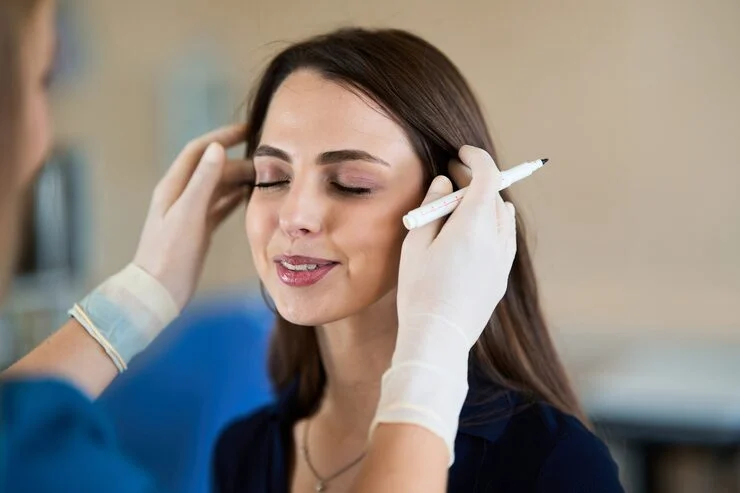
Is It Excess Skin, Ptosis, or Both?
This is one of the most important questions before eyelid surgery. Two different conditions can make the upper lids look droopy:
- Excess eyelid skin (dermatochalasis): loose skin and fat hanging over a lid whose edge is in a normal position. This is what blepharoplasty corrects.
- Ptosis: the lid edge itself sits too low because the lid-lifting muscle has weakened or stretched. Removing skin alone typically won’t fix it.
Many patients have one, and some have both. If ptosis is present but missed, a skin-only procedure can leave the eye looking just as sleepy or uneven. That’s why Dr. Ran evaluates lid height, muscle function, skin, fat, brow position, and symmetry before recommending a plan. Read more: ptosis vs. excess eyelid skin: is blepharoplasty enough?
A drooping eyelid that appears suddenly, or comes with double vision, severe headache or eye pain, unequal pupils, or weakness or numbness, needs prompt medical attention before any cosmetic procedure is considered. The National Eye Institute offers reliable background on ptosis.
Eyelid Surgery for Asian Eyes and Double Eyelid Surgery
Asian eyelid anatomy differs from Western eyelid anatomy, and a technique designed for one can look unnatural on the other. Many Asian patients have a lower or absent eyelid crease, a fuller upper lid, and sometimes an epicanthal fold.
These differences make planning more nuanced:
- Fullness can look like ptosis, and ptosis can look like fullness. A single or low-crease lid can appear heavy even when the muscle is working normally, so careful measurement matters.
- The crease matters as much as the lid height. If you want a defined double eyelid, its placement and shape are planned together with any lid-height correction so the result looks natural.
- Preserving your identity is a goal, not an afterthought. The aim is a refreshed, balanced eye that still looks like you, not a Western template.
Dr. Ran combines Eastern and Western aesthetic principles when planning eyelid surgery. Whether you want to keep your existing crease or create a defined one, your plan is designed around your features and goals.
The Blepharoplasty Procedure: What to Expect
Understanding the blepharoplasty procedure helps you feel confident from your first visit through recovery.
- Consultation and evaluation
You’ll talk through what bothers you and what you want to keep. Dr. Ran assesses eyelid height, muscle function, skin and fat, brow position, symmetry, and your medical history. If vision is a concern, a visual field test may be recommended, which can also support insurance documentation. - Personalized surgical plan
Your plan specifies whether you need upper lids, lower lids, or both, and whether ptosis repair or brow work should be part of the picture. Dr. Ran will explain what can realistically be achieved and what is best left alone. - The procedure
Upper blepharoplasty typically places incisions within the natural lid crease, where they are designed to blend in as they heal. Lower blepharoplasty may be done through an incision just beneath the lashes or inside the lower lid, depending on whether skin removal is needed. Excess skin, fat, and sometimes muscle are removed or repositioned with precision. Your surgeon will explain the technique and anesthesia options chosen for you. - Recovery
You’ll receive detailed aftercare instructions to support healing and safety.
The Blepharoplasty Procedure: What to Expect
Everyone heals differently, but patients commonly experience:
- First days: Swelling, mild bruising, and temporary blurry vision from swelling or lubricating ointment
- First 1–2 weeks: Swelling and bruising gradually fade, and vision typically stabilizes
- About a month: Most patients feel visually and cosmetically comfortable
- Following months: Subtle refinement continues as residual swelling resolves and incisions mature
Following your post-operative instructions closely is one of the most important things you can do for safe healing.
Blepharoplasty Risks and Safety
Serious complications are uncommon, and true vision loss from blepharoplasty is extremely rare when performed by a qualified surgeon, but like any surgery near the eyes, it isn’t risk-free. Possible effects include:
- Dry or irritated eyes that usually settle within weeks
- Temporary blurry vision from swelling or ointment
- Difficulty fully closing the eyes (lagophthalmos), which is uncommon and typically resolves as healing progresses
- Retrobulbar hematoma, a rare but serious bleeding complication that needs urgent attention
Choosing an experienced surgeon, an accredited facility, and following aftercare reduces risk. The American Academy of Ophthalmology’s overview of blepharoplasty is a helpful outside resource for patients researching the procedure.
Blepharoplasty Before and After: What Results Look Like
Patients searching for blepharoplasty before and after photos usually want to know what’s realistic. A successful result generally looks like this:
- Upper lids: a lighter, more open look with a smooth, defined contour and no hooding over the lashes
- Lower lids: reduced puffiness and a smoother, less shadowed under-eye area
- Overall: you look rested and refreshed, not “operated on”
When you review any surgeon’s gallery, look for patients with a starting anatomy similar to yours, including your eye shape, crease type, and skin thickness. View the full portfolio, not just the best few images. At your consultation, Dr. Ran will walk you through before-and-after examples relevant to your goals.
Individual results are not guaranteed and may vary from person to person.
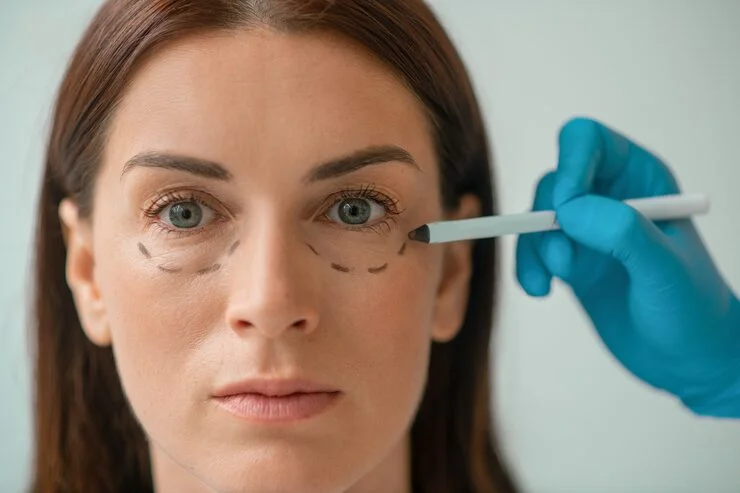
Combining Eyelid Surgery With Other Facial Aesthetics
Eyelid surgery is often one piece of a broader plan for facial aesthetics in Los Angeles, CA. Because the eyes sit near the brow and the nose, changes to one feature affect how the others look. Depending on your anatomy, your plan may include:
- Ptosis repair when the lid edge sits too low
- Brow positioning when a sagging brow contributes to heavy lids
- Rhinoplasty, since changing the bridge or tip alters how the eyes read. Learn more about rhinoplasty in Los Angeles and how the nose relates to the eyes and chin
Whether combining procedures is appropriate depends on your anatomy, goals, and health, so it’s best discussed in consultation.
Choosing the Right Plastic Surgeon in Los Angeles, CA
Because the eyelids sit so close to a delicate structure, this isn’t a procedure to shop for on price alone. When researching plastic surgery in Los Angeles, CA, look for a surgeon who:
- Has verified credentials, which you can confirm independently through the American Academy of Facial Plastic and Reconstructive Surgery and the Medical Board of California
- Has specific experience with upper and lower blepharoplasty and with your eye anatomy
- Evaluates for ptosis and, when function is a concern, arranges a visual field assessment
- Explains your personal risk profile clearly, not just generic reassurance
- Shows a full portfolio of natural-looking results
Our guides on how to choose the right plastic surgeon and board-certified vs. board-eligible plastic surgeons walk you through exactly what to ask.
FAQs: Blepharoplasty in Los Angeles, CA
Blepharoplasty is eyelid surgery that removes or repositions excess skin, fat, and sometimes muscle from the upper lids, lower lids, or both, to improve appearance and, in some cases, vision.
Upper blepharoplasty treats drooping or hooded upper lids and can improve a blocked field of vision. Lower blepharoplasty treats under-eye bags, puffiness, and loose skin and is mostly cosmetic.
Good candidates are in good general health, bothered by droopy lids, bags, or loose eyelid skin, and have realistic expectations. A consultation, including an eye-health review, confirms whether surgery is appropriate.
Yes, in many cases. If drooping upper lid skin hangs over the lashes and blocks part of your visual field, removing it can expand your peripheral and upward vision.
The most reliable way is an in-person exam with measurements. Photos can offer clues, but they can’t replace a professional assessment. Ptosis often needs repair of the lid-lifting muscle, not skin removal alone.
Sometimes. If a visual field test documents that your upper lids significantly obstruct your vision, part of the upper procedure may be covered as functional. Lower blepharoplasty is typically considered cosmetic. Coverage varies, so confirm with your insurer.
Mild, temporary blurriness is common in the first days due to swelling, ointment, or irritation, and typically resolves within one to two weeks.
Most swelling and bruising fade within one to two weeks, and many patients feel comfortable within about a month. Subtle refinement continues for several months.
Serious complications are uncommon when performed by a qualified surgeon in an accredited facility, but all surgery has risks. Your surgeon will review your personal risk profile and aftercare plan.
Eyelid surgery can be planned to keep your existing crease or create a defined double eyelid, depending on your goals and anatomy. Crease placement and shape are planned together with any lid-height correction.
A well-planned blepharoplasty shouldn’t change who you are. The goal is a rested, balanced look that still looks like you.
Some patients do. Because the eyes and nose affect each other’s appearance, it often helps to plan them together. Whether it’s appropriate depends on your anatomy, goals, and health.
Cost depends on whether you have upper lids, lower lids, or both, whether ptosis repair or other procedures are included, and facility and anesthesia fees. A personalized consultation is the only way to get an accurate quote.
Ready to Look as Rested as You Feel?
Whether your goal is a refreshed, youthful look or clearer, easier vision, the first step is finding out why your eyelids look the way they do. Meet with Dr. Cong Ivy Ran for a personalized, no-pressure eyelid surgery consultation in Los Angeles, in person or virtually.
Ran Plastic Surgery | 11600 Wilshire Blvd, Ste 324, Los Angeles, CA 90025
Individual results are not guaranteed and may vary from person to person. This page is for general education and does not replace an in-person medical evaluation.

Specialized facial aesthetics by Dr. Cong Ivy Ran — delivering subtle, balanced results tailored to your unique facial structure.

Schedule Free Consultation
*Individual results are not guaranteed and may vary from person to person. Images may contain models.
© Copyright 2026 Ran Plastic Surgery. Powered By Target Patients MD